Cellular Respiration
Overview
Cellular respiration is the process by which cells convert energy stored in nutrients like glucose into adenosine triphosphate (ATP), carbon dioxide, and water. ATP serves as the primary energy currency of the cell, powering essential functions such as muscle contraction, nerve impulses, chemical synthesis, active transport, maintaining body temperature, and metabolic reactions.
Energy Conversion
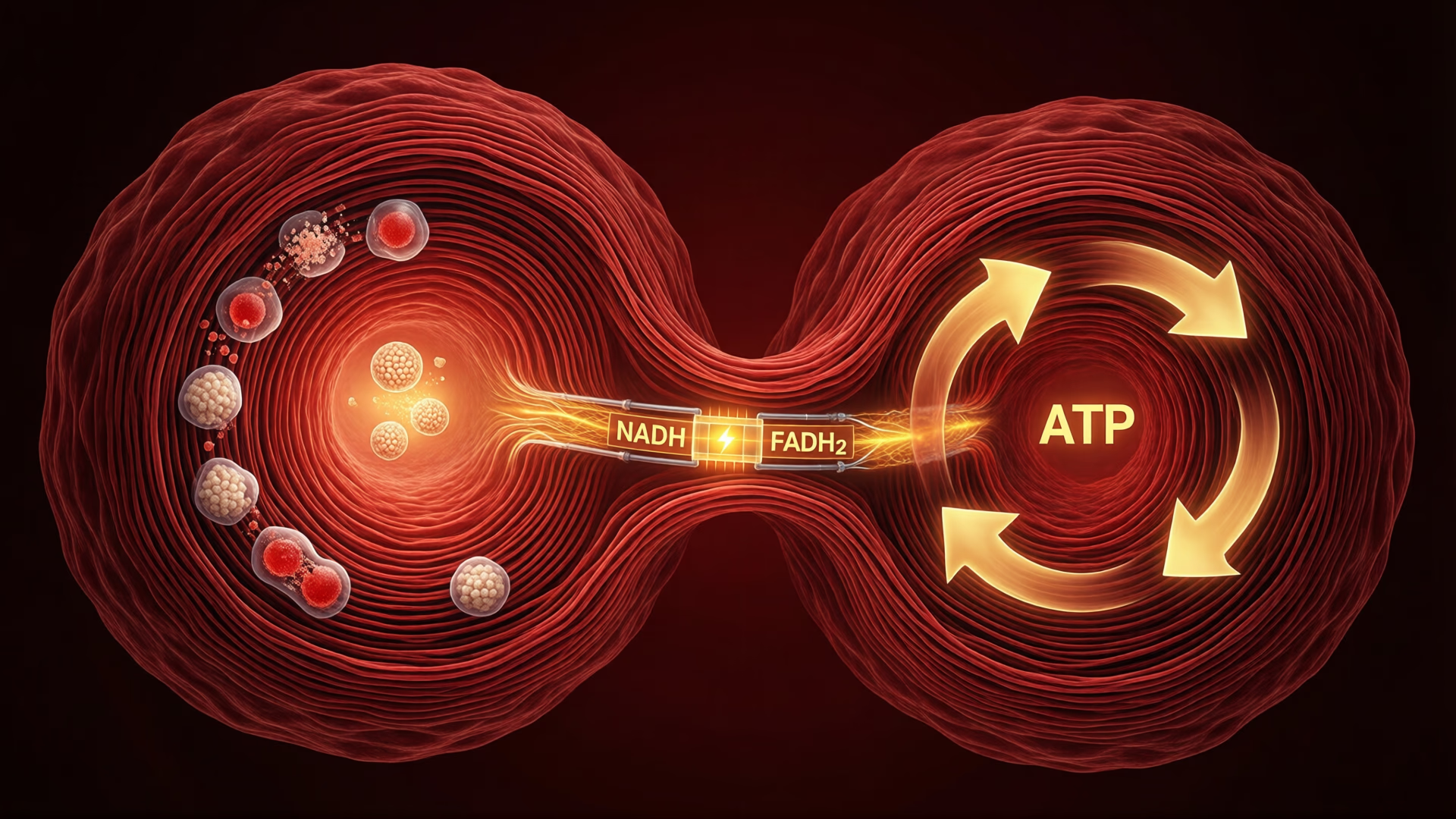
Cellular respiration transforms the chemical energy in glucose into a usable form for cellular processes. This process involves several stages, each contributing to the production of ATP, NADH, and FADH2, which are utilized in subsequent steps to maximize energy yield.
The Process: Stages of Cellular Respiration
Glycolysis
Glycolysis occurs in the cytoplasm and initiates the breakdown of one glucose molecule into two pyruvate molecules. This stage yields a net gain of two ATP and two NADH molecules, providing an initial energy boost.
Conversion to Acetyl-CoA
In the mitochondrial matrix, each pyruvate is converted into acetyl-CoA, releasing carbon dioxide and generating one NADH per pyruvate. This step links glycolysis to the next stage of energy production.
The Krebs Cycle (Citric Acid Cycle)
Each acetyl-CoA enters the Krebs Cycle in the mitochondrial matrix, producing three NADH, one FADH2, and one ATP per turn. Two turns of the cycle yield six NADH, two FADH2, and two ATP molecules, with carbon dioxide released during each turn.
Oxidative Phosphorylation
This stage occurs in the inner mitochondrial membrane and involves the Electron Transport Chain (ETC) and chemiosmosis. ETC uses electrons from NADH and FADH2 to pump hydrogen ions, creating a concentration gradient. Protons flow through ATP synthase, synthesizing ATP. This process yields 25 to 34 ATP per glucose molecule.
Aerobic vs Anaerobic Respiration
Aerobic respiration requires oxygen and produces approximately 30-32 ATP per glucose molecule. In contrast, anaerobic respiration occurs without oxygen, yielding only two ATP per glucose molecule.
Lactic Acid Fermentation
In human muscle cells during intense exercise, lactic acid fermentation occurs when oxygen is scarce, producing lactic acid and causing muscle fatigue.
Alcoholic Fermentation
Yeast performs alcoholic fermentation, converting glucose into ethanol (alcohol) and carbon dioxide, which is utilized in brewing and baking.
Role in the Body
Food provides glucose and other organic molecules as fuel for cellular respiration. Oxygen from breathing is essential for aerobic respiration, acting as the ultimate electron acceptor in the ETC. The energy produced powers bodily functions such as brain activity, heartbeats, and muscle movement during exercise.