Photosynthesis
Overview
Photosynthesis is a biological process through which plants, algae, and certain bacteria convert sunlight, water, and carbon dioxide into oxygen and energy in the form of sugar. This process is essential for the carbon cycle and serves as the primary food source for most organisms.
History
The evolution of photosynthesis dates back approximately 3.2 to 3.5 billion years ago, with early evidence found in stromatolites—laminated microbial structures formed by cyanobacteria and algae. These structures are among the oldest known fossils and mark significant developments in Earth's life history. The process contributed to reducing atmospheric carbon dioxide and increasing oxygen levels, eventually leading to the formation of the stratospheric ozone layer.
Key Concepts
How It Works
Photosynthesis requires light energy, carbon dioxide, water, and nutrients. Sunlight is absorbed by chlorophyll in chloroplasts, giving plants their green color. The process occurs in two main stages:
- Light-Dependent Reaction: Energy from sunlight is captured to produce ATP molecules.
- Calvin Cycle (Light-Independent Reaction): ATP is used to create glucose and other organic molecules.
The specialized structures within leaves facilitate this process, including the cuticle for water regulation, epidermis for protection, palisade mesophyll cells for maximizing light absorption, and spongy mesophyll tissue for efficient gas exchange. Oxygen is released into the atmosphere through stomata.
The Equation
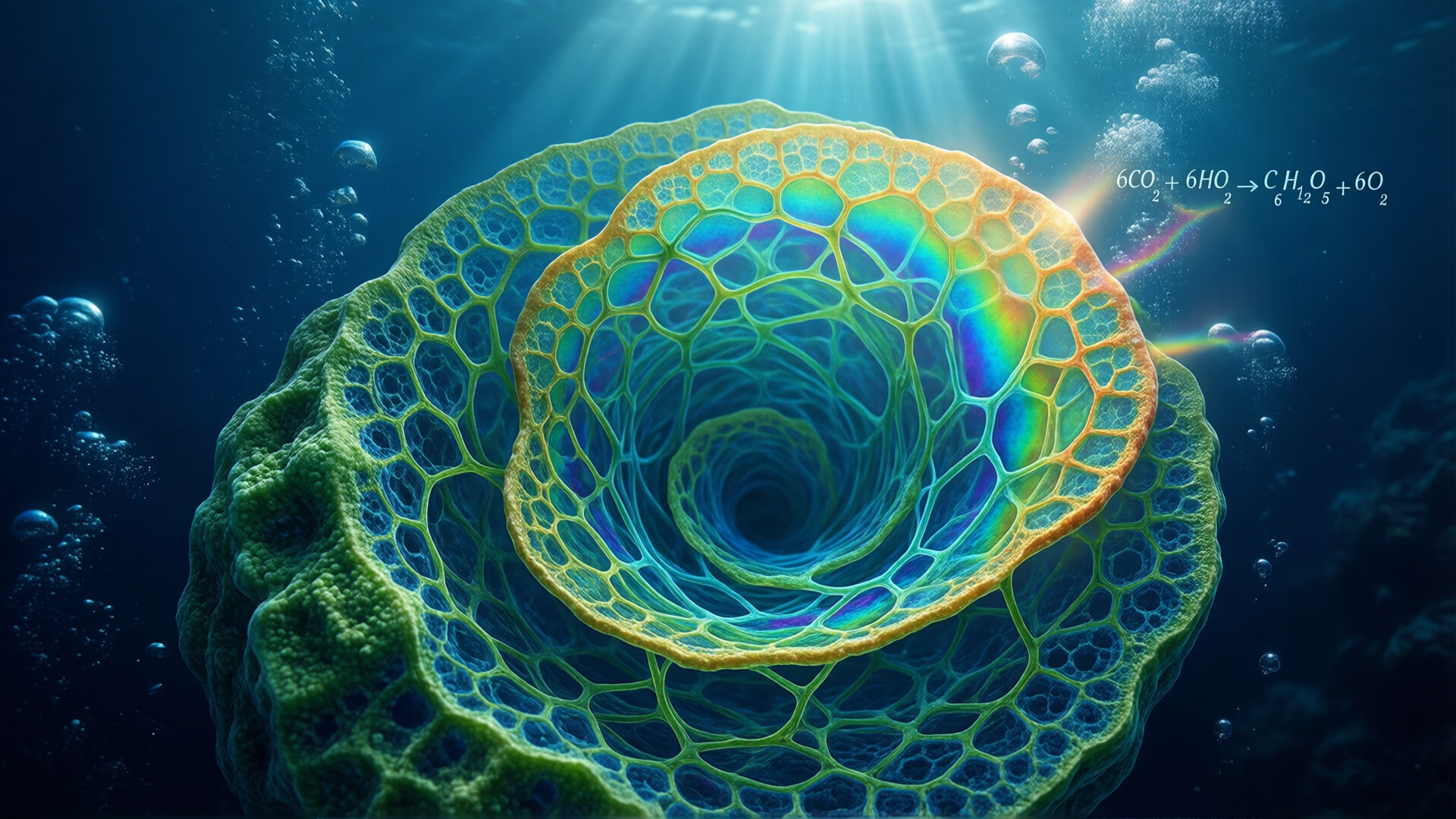
The balanced chemical equation for photosynthesis is: This reaction shows the conversion of carbon dioxide and water into glucose and oxygen, driven by light energy.
Importance
Photosynthesis plays a crucial role in both marine and terrestrial ecosystems by removing carbon dioxide from the atmosphere. Some carbon dioxide is precipitated as shells or buried as organic matter. Without this process, the carbon cycle would fail, leading to insufficient food and oxygen, which could result in the disappearance of most organisms.
Food Chain
Photosynthesis forms the base of the food chain, making primary producers vital for ecosystems. Energy from the sun flows through these organisms, who store it for other creatures. Each subsequent level of the food chain loses energy due to respiration and waste heat, resulting in fewer organisms at higher trophic levels.
This structured approach ensures that all relevant information is concisely presented, adhering strictly to the provided source content without including tangential or unrelated material.